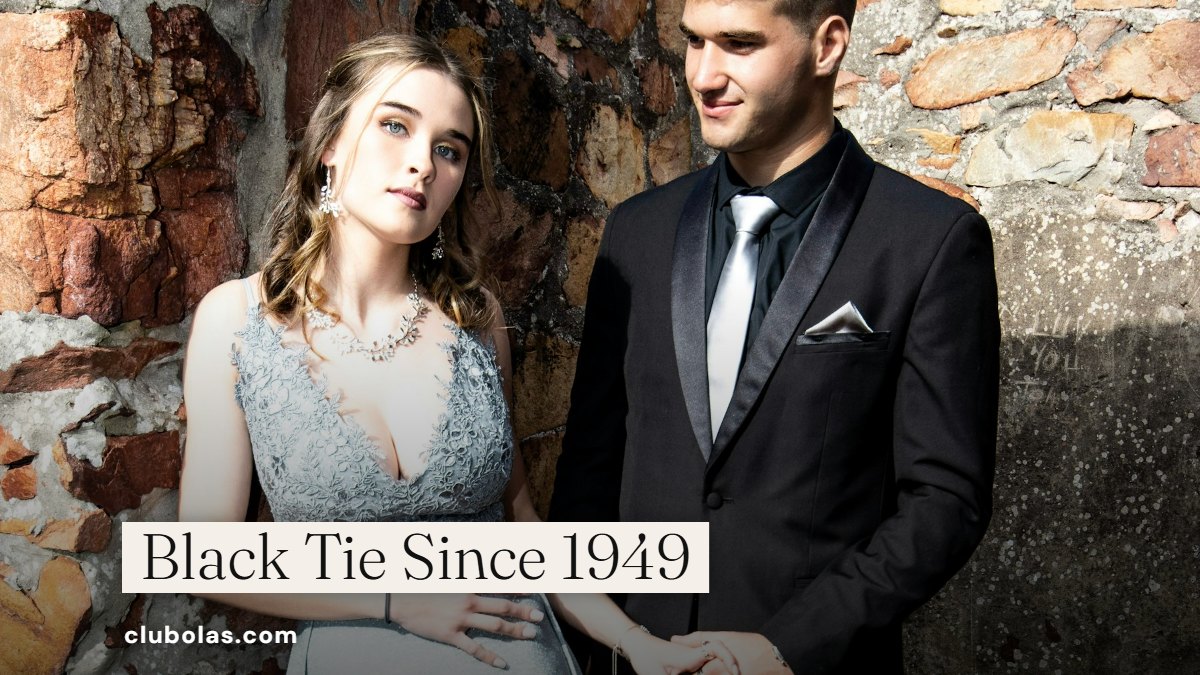
What Black Tie Means
A side-by-side guide to what black tie actually asks of him and her, and how black tie optional and creative black tie change the rules.
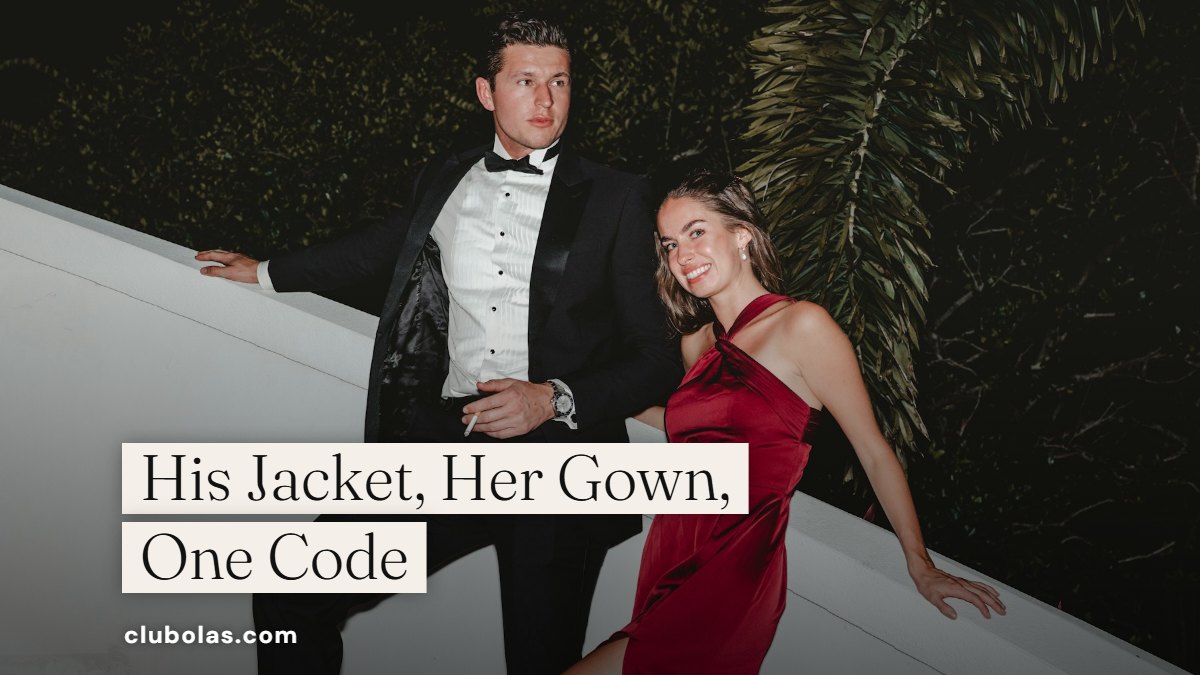
With galas, weddings, and holiday parties crowding the calendar, an invitation marked 'black tie' is handing out instructions, not a suggestion open to interpretation. Emily Post's guide to dress codes calls it the most common formal code for occasions exactly like these, from weddings and proms to formal dinners and the theatre, pitched a step below white tie, which it reserves for guests expected to be high-caliber, royal, or of high social standing, and a step above business attire. For him, Gentleman's Gazette is blunt about what the word means: it unequivocally signals a tuxedo. The convention runs deeper than either guide, tracing to a half-dress Western dress code for evening events that grew out of British and North American habits in the 19th century, its American name dated by Wikipedia to October 1886, when Griswold Lorillard and his friends were reported for wearing tailless dress coats to Tuxedo Park's first Autumn Ball. What follows is what that one word, and its two common variations, ask of him and of her. For the codes on either side of it, from smart casual to festive, see What the Invitation Says.
The Jacket and the Gown
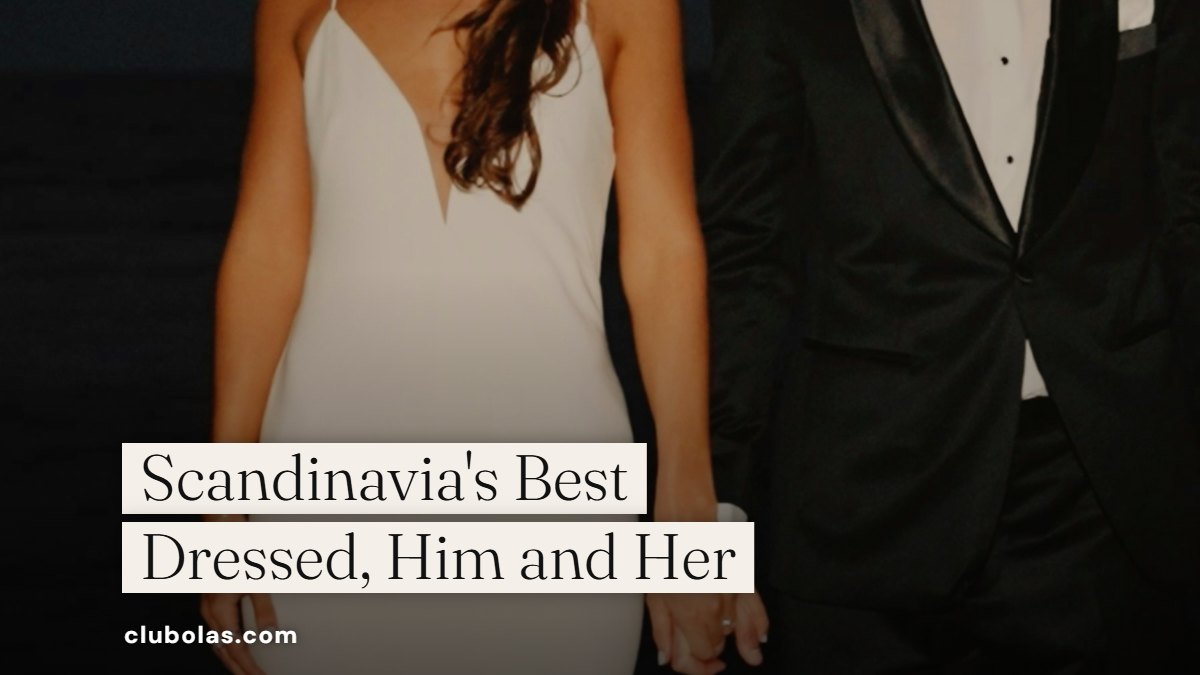
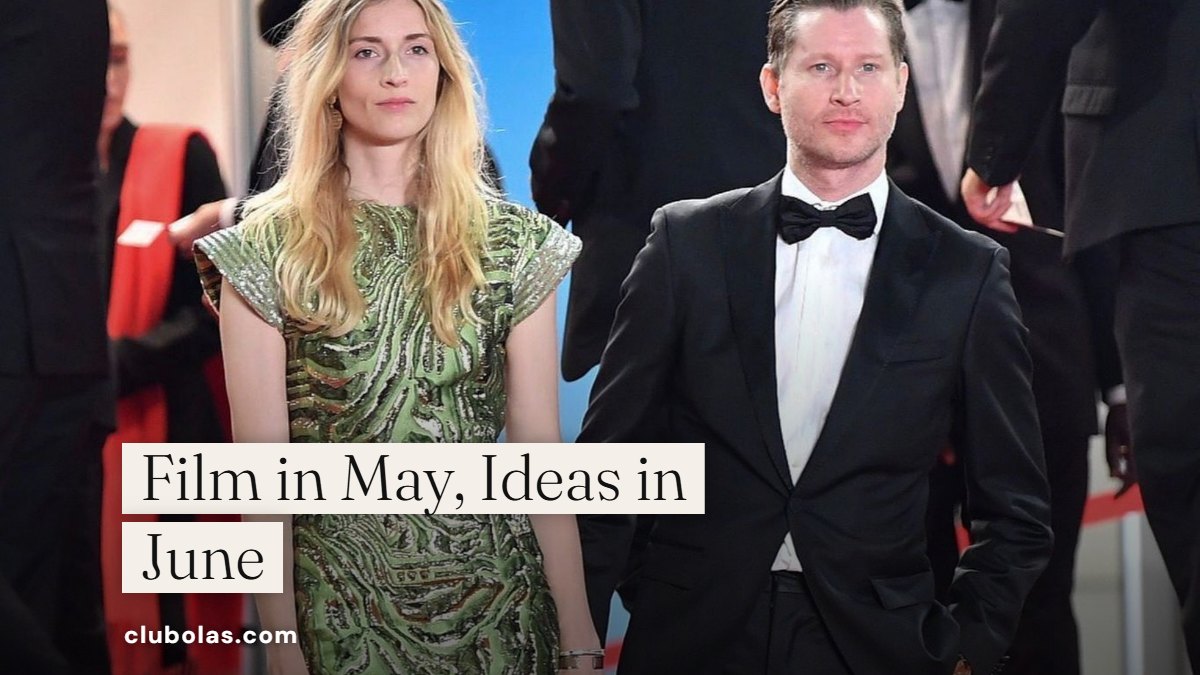
For him, black tie means a black tuxedo jacket with matching trousers, finished with the bow tie and studs that give the dress code its name.
For her, the rules carry more range than the invitation lets on. Emily Post calls for a formal evening dress or a short, dressy cocktail dress, and keeps separates like a dressy top and skirt off the table until the invitation reads black tie optional. A floor-length evening gown is always acceptable, and etiquette writer Letitia Baldrige widens the lane further in her guide New Manners for New Times: floor-length, short, or three-quarter-length gowns all count, worn with evening sandals or pumps and an evening bag. Debrett's, consulted by Gentleman's Gazette, draws today's line for women somewhere between playful, body-skimming dresses and gowns nearly as formal as white tie allows.
The Details That Signal Rank
Within that tuxedo, a few choices still rank above others. Of the two main lapel styles, Gentleman's Gazette ranks the peaked lapel, carried over from the tailcoat, above the notch, which style experts only began to accept as correct for formal black tie in the late 1970s.
The same jacket bends for climate: Emily Post allows a white dinner jacket worn with black tuxedo trousers and the rest of the black tie wardrobe for summer, the tropics, or a cruise.
When the Invitation Says Optional
Black tie optional, sometimes called black tie invited, lets hosts suggest a tuxedo for him without requiring one, and Emily Post confirms he may choose a dark suit instead. Gentleman's Gazette adds that a dark suit and tie is also the fallback when a host writes 'black tie preferred' or 'requested' and a guest genuinely cannot afford a dinner jacket. Not everyone is a fan of the wording itself: Canadian fashion columnist Russell Smith has called black tie optional "a cop-out used by insecure hosts trying to please everyone," and an Emily Post Institute spokeswoman has said a range of dress-code options "can be more frustrating than helpful for invited guests." For her, this is the one moment the rules actually loosen: Emily Post reserves dressy separates, a dressy top with a skirt rather than a gown, for black tie optional events specifically.
When the Invitation Says Creative
Creative black tie keeps the same foundation, a tuxedo for him, and opens it to textures, colors, and accessories for personal flair, as Emily Post puts it. Emily Post's Etiquette, as Gentleman's Gazette describes it, allows a tuxedo paired with trendy or whimsical items, which for him might mean a colored or patterned bow tie and cummerbund rather than plain black. It is also the dress code most likely to go wrong: GQ's Style Guy has described its fashion victims as wearing tuxedos with "black shirts, no ties, or bolo ties," and a 2008 Wall Street Journal article reported a broader backlash against 'goofy' dress codes of exactly this kind. Read creative as license for one or two flourishes, not a rewrite of the rules.
Quick answers
What does a plain black tie invitation actually require
For him, a black tuxedo jacket with matching trousers, since Gentleman's Gazette says the words unequivocally mean a tuxedo. For her, Emily Post calls for a formal evening dress or a short, dressy cocktail dress.
What changes if the invitation says black tie optional
He may wear a dark suit instead of a tuxedo, and she gains the option of dressy separates, which Emily Post reserves for black tie optional events specifically.
What does creative black tie allow
It keeps the tuxedo foundation but opens it to textures, colors, and whimsical accessories, such as a patterned bow tie and cummerbund for him.